Paylaş | 26 February 2026
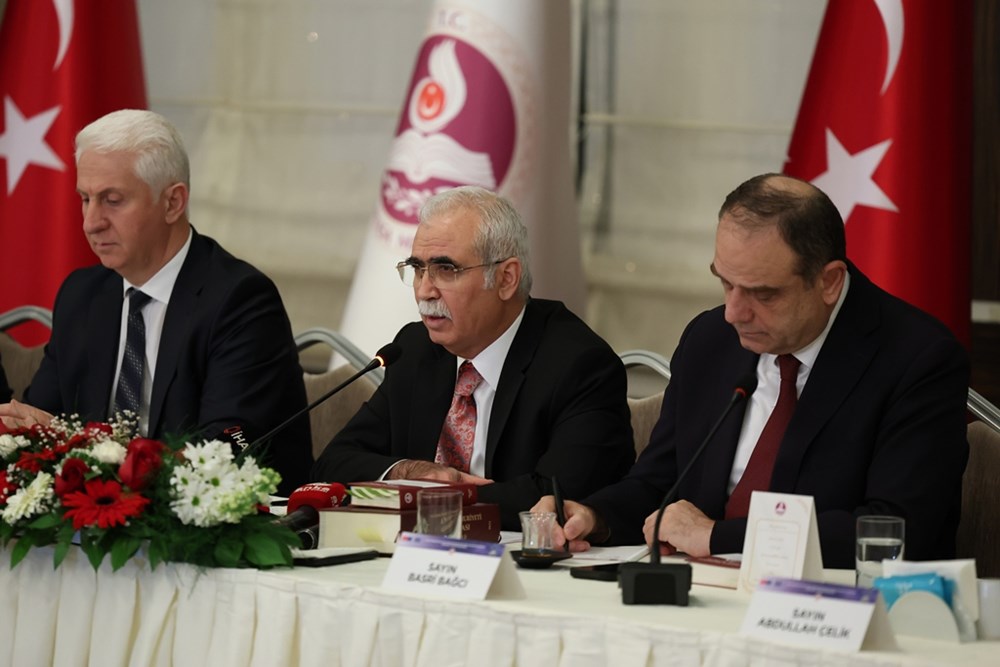
President of the Turkish Constitutional Court, Mr. Kadir Özkaya, hosting the 2025 Press Briefing, emphasised: “The Court conducts its work with utmost dedication and diligence, fully mindful that justice serves as the essential cornerstone that sustains the state, enables individuals to live safely and securely, and fosters social prosperity and growth.”
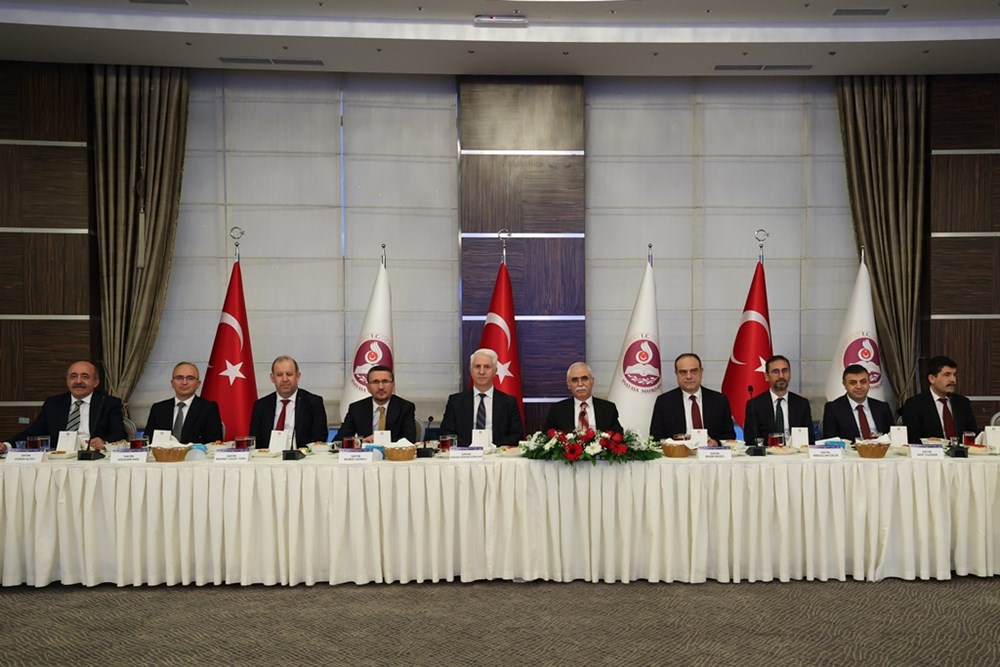
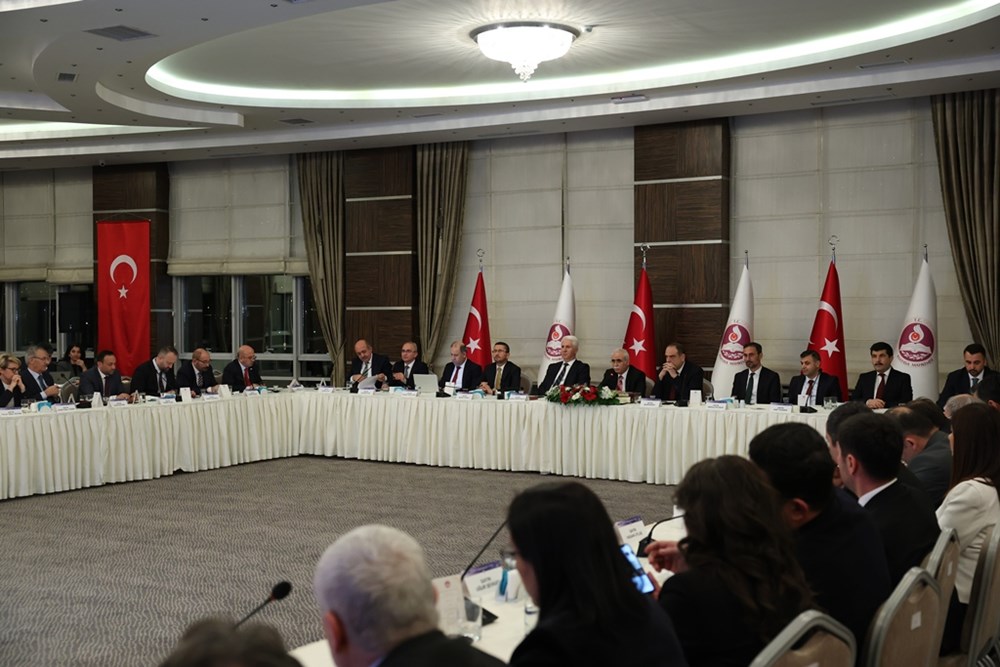
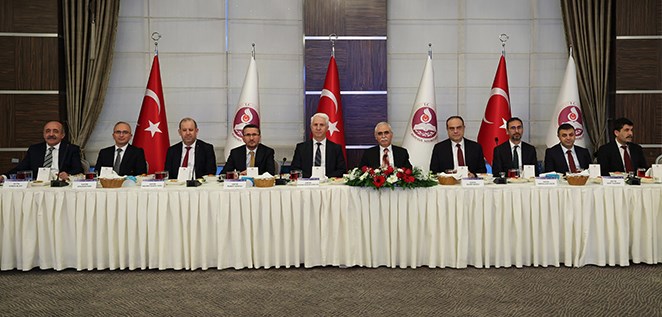
President Özkaya met with Ankara representatives of the press at an iftar program held on the occasion of the 2025 Press Briefing. President Özkaya was accompanied at the event by Vice-Presidents of the Court, Mr. Hasan Tahsin Gökcan and Mr. Basri Bağcı, as well as Secretary General Mr. Murat Azaklı and the chief rapporteur-judges.
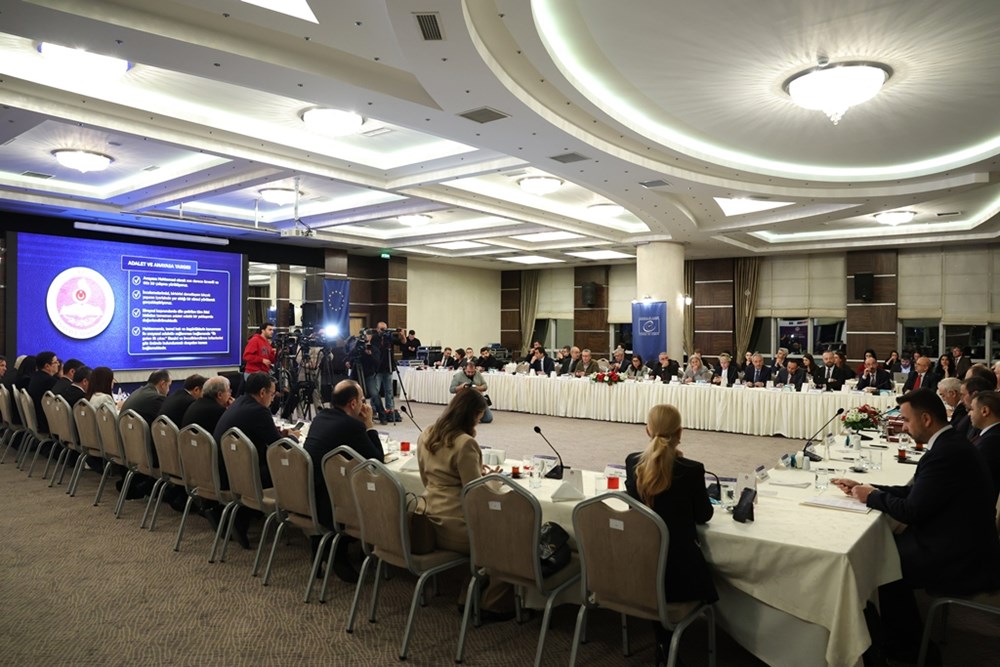
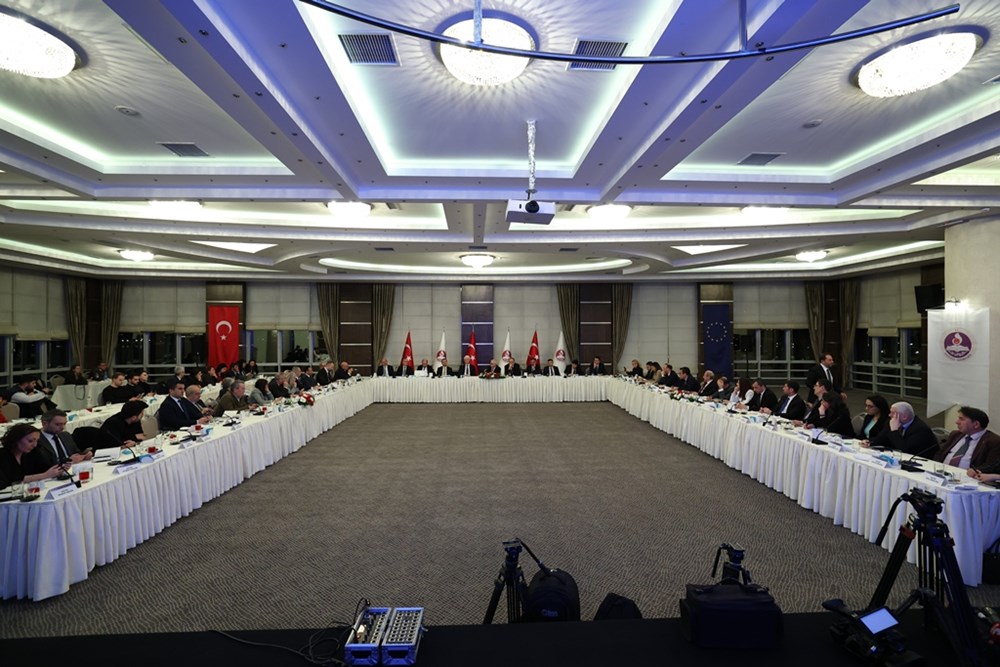
During the event held as part of the Project on “Supporting the Effective Implementation of Turkish Constitutional Court Judgments in the Field of Fundamental Rights”, jointly undertaken by the Turkish Constitutional Court and the Council of Europe, President Özkaya presented an overview of the Court’s activities in 2025.
Individual applications are examined through a justice-oriented approach
President Özkaya noted that throughout 2025, the Court diligently fulfilled its responsibilities in preventing human rights violations, ensuring the implementation of constitutional principles, and reinforcing the rule of law, and that these efforts would persist with equal commitment in 2026. He highlighting that the Court conducts its work with utmost dedication and diligence, fully mindful that justice serves as the essential cornerstone that sustains the state, enables individuals to live safely and securely, and fosters social prosperity and growth. He also stated that the Court operates within a system of multiple interdependent oversight mechanisms and carries out its examinations with thorough and careful deliberation, drawing on its extensive knowledge and expertise. He further noted: “Every alleged violation brought before the Court through individual applications is examined with a justice-oriented approach, regardless of the applicants’ religious, political, or ideological background. Bound by constitutional boundaries, the Court employs interpretation methods adopted in contemporary law, aiming to uphold and promote fundamental rights and freedoms.”
President Özkaya, providing details on the order and criteria of examination of cases, emphasised: “In constitutionality review, the Court follows the ‘First comes, first served’ principle. Notably, in the concrete review procedure, where claims of unconstitutionality are referred by the courts, the Court strives to adjudicate the cases within five months whenever possible. Likewise, individual applications are adjudicated in the order they are received, as stipulated in the relevant provision of the Court’s Internal Regulations, titled ‘Order of Examination of Applications’. However, within the authority granted by the legislation, and considering the significance and urgency of individual applications, a different order of examination may also be applied in accordance with the criteria established by the Plenary of the Court. Accordingly, the criteria previously established were updated by the Plenary in July 2025. Based entirely on objective standards, these criteria have resulted in seven categories, including ‘Urgent’, ‘Pilot and Leading’, and ‘Core Rights’.”
Highlighting examples of the aforementioned categories, President Özkaya pointed out that while the legal responsibility for ensuring the implementation of these criteria rests with the President and Vice-Presidents of the Court, the practical responsibility is entrusted to the rapporteur-judges. He noted: “The rapporteur-judges have so far conducted prioritisation strictly according to the criteria we have set. I would also like to address a matter that has come to public attention. On certain occasions, applications filed in different years, for instance one in 2022 and another in 2024, are adjudicated by the Court on the same day. This may be due, in some instances, to the need to maintain a balance across different groups of rights, and in others, to the prioritisation of cases with precedential significance.”
We attach importance to cooperation and strong dialogue with judicial bodies and all other institutions
President Özkaya underscored the Court’s dedicated efforts to uphold values such as justice, the rule of law, and fundamental rights and freedoms, to satisfy the sense of justice of both individuals and institutions, and to further reinforce their trust in the law. He added: “As the members of the Constitutional Court, we formulate our decisions with an approach focused entirely on objective justice, guided by our conscience within the limits set by law.” He accordingly outlined the national and international initiatives and activities undertaken to foster cooperation and strong dialogue with judicial bodies and all other institutions.
We are undertaking significant efforts concerning the use of artificial intelligence
Highlighting the Court’s particular focus on technological transformation to strengthen the effectiveness of legal remedies, President Özkaya stated: “As digitalisation has become an inevitable requirement for contemporary legal systems, the Turkish Constitutional Court has made, and continues to make, substantial progress in this regard. In this context, as of 1 October 2025, Court has started to receive individual applications electronically through the UYAP Lawyer Portal. Since that date, 6,686 applications have been submitted through the portal, corresponding to approximately 29% of all applications filed during the same period.” He noted that this initiative has both increased accessibility and further facilitated the conduct of application procedures in a faster, more efficient, and transparent manner. He further pointed out the Court’s substantial efforts to utilise Artificial Intelligence in support of its work and to assist the rapporteur-judges.
The Turkish Constitutional Court is regarded and referenced as a model by the judicial bodies in numerous countries
President Özkaya, stating that constitutional justice in other countries is also guided by universal legal norms and international jurisprudence, emphasised: “Cooperation among the constitutional courts and high judicial bodies of different countries is crucial for reinforcing the rule of law, safeguarding individual rights more effectively, and ensuring the administration of justice on a global scale. Within this framework, the Court undertakes active initiatives both within the domestic legal system and on the international stage. I am proud to note that, at the centre of all these efforts, the Turkish Constitutional Court is regarded and referenced as a model by the high judicial bodies of numerous countries and by international organisations.”
The adjudication rate of applications in 2025 reached 111%
President Özkaya provided statistical information on the activities conducted within the scope of the Court’s duties and powers. He stated that in 2025, the Court received 64,321 and concluded 71,175 individual applications, noting the adjudication rate of applications in 2025 reached 111%. He also remarked: “These figures, indicating that the Court adjudicated more cases than the number of applications received, reflect the Turkish Constitutional Court’s diligent and committed work despite the increasing workload.”
Stating that out of the individual applications adjudicated in 2025, 5,268 resulted in a violation judgment, President Özkaya reported that the total number of violation judgments rendered between 23 September 2012 and 31 December 2025 is 84,519, of which 56,443 pertain to the right to a trial within a reasonable time. He underscored that as of 31 December 2025, 99.7% of the violation judgments rendered by the Court had been executed.
Regarding the constitutionality review procedure, President Özkaya stated that in 2025, the Court received a total of 277 cases, consisting of 51 abstract review cases and 226 concrete review cases, and adjudicated 278 cases in total, across both categories. He highlighted that 2025 marked the year with the highest number of cases concluded so far in the constitutionality review, excluding the decisions on joinder of cases.
President Özkaya also stated that the Court, in its capacity as the Supreme Criminal Tribunal, has concluded a total of 12 cases since 2017, with no pending cases by the end of 2025. He also noted that, within the scope of its other duties and powers, the Court concluded 164 cases concerning the financial audit of political parties in 2025, while five cases related to dissolution of political parties remained pending by the end of the year.
Concluding his remarks, President Özkaya emphasised that the ultimate goal of the Turkish Constitutional Court is to further strengthen individuals’ trust in the state and the law. He further noted: “The Court continues to perform its duties within the boundaries set by law, guided by an approach focused entirely on objective justice.”
After his remarks, President Özkaya addressed press questions related to ongoing issues.